
A corticosteroid treatment profoundly alters the way the body manages salt, sugar, fats, and proteins. These metabolic disturbances are not trivial: water retention, increased blood sugar, calcium loss, and muscle wasting can occur within a few weeks. Adjusting one’s diet during corticosteroid therapy is not merely a comfort measure; it is a step that concretely limits these side effects.
Proteins and corticosteroids: an underestimated need during treatment
Corticosteroids accelerate the breakdown of muscle proteins. The body draws on its reserves to provide energy, resulting in visible muscle wasting in the thighs, arms, and buttocks. Eating “enough protein” is not always sufficient.
Recent ESPEN recommendations for patients at risk of muscle loss emphasize a protein intake significantly higher than basic recommendations. In the context of increased catabolism, nutritional consensus converges on a range of about 1 to 1.5 grams of protein per kilogram of adjusted body weight per day.
In practical terms, this means incorporating a source of protein into every meal: poultry, fish, eggs, legumes. To find the recommendations on Conseils Cuisine, which detail dietary guidelines suitable for corticosteroid therapy, these protein bases form the foundation of the diet.
Have you noticed that your portions of meat or fish seem sufficient? The key is mainly consistency: spreading protein intake over three meals (and possibly a snack) better supports muscle synthesis than concentrating all intake at dinner.

Reducing sodium without making meals bland
Corticosteroids cause water and sodium retention, resulting in swelling of the face, ankles, and an increase in blood pressure. Limiting salt is the first measure recommended by prescribing doctors.
The problem is that most of the sodium consumed does not come from the salt shaker. It is hidden in processed foods.
- Cold cuts, hard cheeses, and smoked fish contain high amounts of sodium, even in small portions.
- Industrial ready meals, boxed soups, and snack biscuits often contain more salt than a homemade dish.
- Regular bread represents a significant daily sodium intake. Choosing salt-free or reduced-sodium bread mechanically reduces sodium load.
To compensate for the loss of flavor, spices and herbs are direct allies: turmeric, paprika, thyme, basil, garlic. These seasonings enhance dishes without triggering water retention.
Blood sugar under corticosteroids: which foods to prioritize daily
Corticosteroids increase blood sugar levels, sometimes significantly. This risk of glycemic imbalance also affects individuals who were not diabetic before treatment. The mechanism is hormonal: corticosteroids stimulate glucose production by the liver and reduce cell sensitivity to insulin.
The most useful reflex is to replace fast sugars with low glycemic index carbohydrates. Whole grain pasta, brown basmati rice, and legumes (lentils, chickpeas) release their energy gradually. Vegetables, consumed in quantity at each meal, provide fiber that slows sugar absorption.
Fruits remain recommended, but some raise blood sugar less than others. Berries, apples, and pears are preferable to grapes, very ripe bananas, or fruits in syrup. A portion of fresh fruit at the end of a meal, accompanied by protein, limits the glycemic spike.
Sweet cravings, a direct effect of corticosteroids
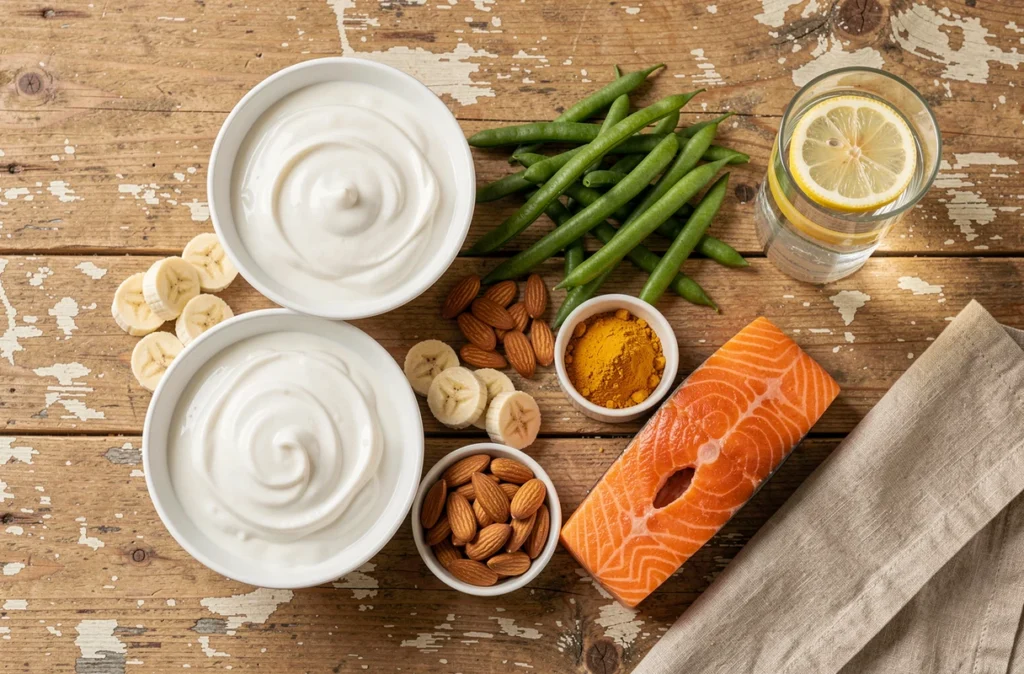
Corticosteroids act on the hypothalamus and stimulate appetite, particularly the craving for sweet and salty foods. This is not a lack of willpower. Preparing protein-rich snacks (plain yogurt, a handful of almonds, hard-boiled egg) can help curb these compulsions without worsening metabolic imbalance.
Calcium, potassium, and fats: three areas to monitor
Corticosteroids increase urinary loss of calcium and potassium. With prolonged treatment, the risk of osteoporosis and muscle cramps becomes real.
For calcium, dairy products remain the most accessible source: yogurts, cottage cheese, milk. Hard cheese poses a dilemma as it is rich in calcium but also in sodium. Fresh cheeses like cottage or ricotta offer a better compromise. Calcium-rich mineral waters supplement intake without adding salt.
Potassium is found in vegetables (spinach, broccoli, mushrooms), legumes, and certain fruits (banana, avocado, dried apricots). A diet rich in vegetables generally meets this need without resorting to a supplement.
Fats: choose rather than eliminate
Corticosteroids alter the lipid profile and can increase cholesterol. Eliminating all fats would be counterproductive. The goal is to favor unsaturated fats: olive oil, canola oil, fatty fish (sardines, mackerel), nuts. Saturated fats from cold cuts, pastries, and fried foods should be prioritized for reduction.
These dietary adjustments are best discussed with a doctor or dietitian, especially if corticosteroid treatment lasts more than a few weeks. The prescribed dose, age, and presence of other conditions modify nutritional priorities. A strict salt-free diet is not always necessary for short-term low-dose corticosteroid therapy, while it becomes recommended for prolonged high-dose treatment.