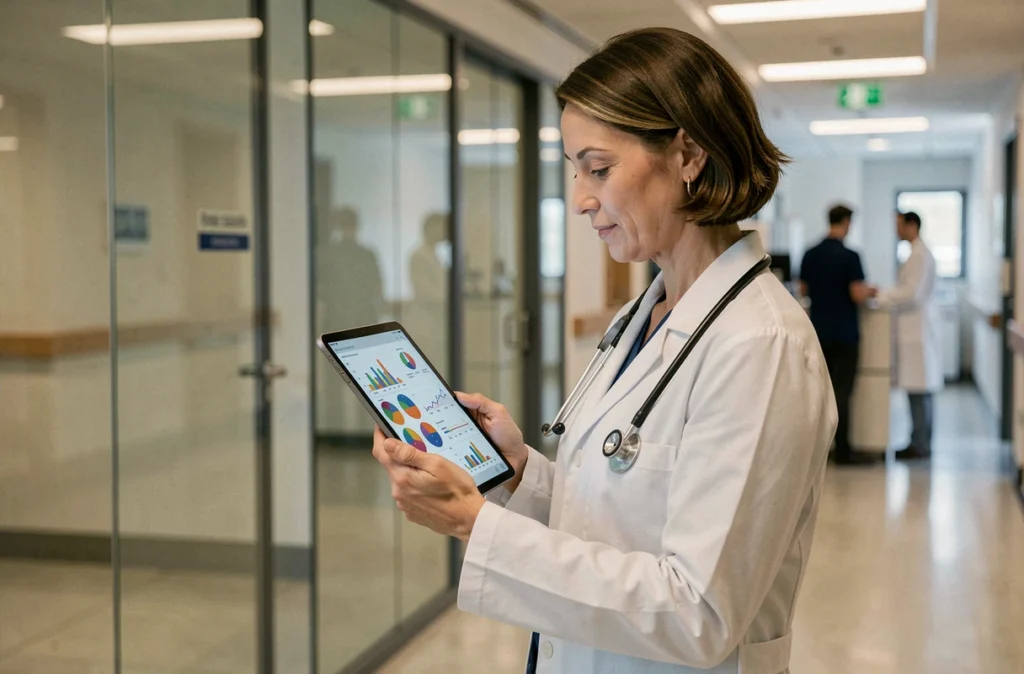
The healthcare sector is undergoing rapid transformation, driven by digital technology, big data and new European regulatory frameworks. Artificial intelligence is becoming part of clinical workflows, connected devices are moving beyond gadgets to become part of structured monitoring programmes, and health data governance is now an operational concern.
These healthcare trends are no longer distant possibilities: they are already changing how care is organised and the conditions under which medical research is conducted.
European Health Data Space: what the EHDS changes in practice
The European Health Data Space (EHDS) entered into force in March 2025. Its implementation is being phased in, with the first preparatory provisions scheduled for 2027 and the framework for secondary use of data applying from 2029. For medical innovation stakeholders, this regulation is more than a statement of principle.
It redefines the conditions for accessing data for research and the evaluation of AI algorithms. In France, preparing for the EHDS already involves governance work: data holders will need to classify and document their data, and anticipate cataloguing requirements. The EHDS requires health datasets to be systematically documented, creating a technical as well as organisational challenge for hospitals and certified hosting providers.
The regulation’s impact extends beyond the legal framework. It will determine whether French companies can train and validate their algorithms on European cohorts, and therefore affect their competitiveness in the medical technology sector. Organisations that fail to prepare for compliance risk being excluded from calls for proposals involving cross-border data.
To keep up with Geek Medical’s healthcare news, regulatory monitoring around the EHDS is an important information stream in its own right, as deadlines are approaching quickly.
Artificial intelligence in healthcare: from prototype to clinical workflow
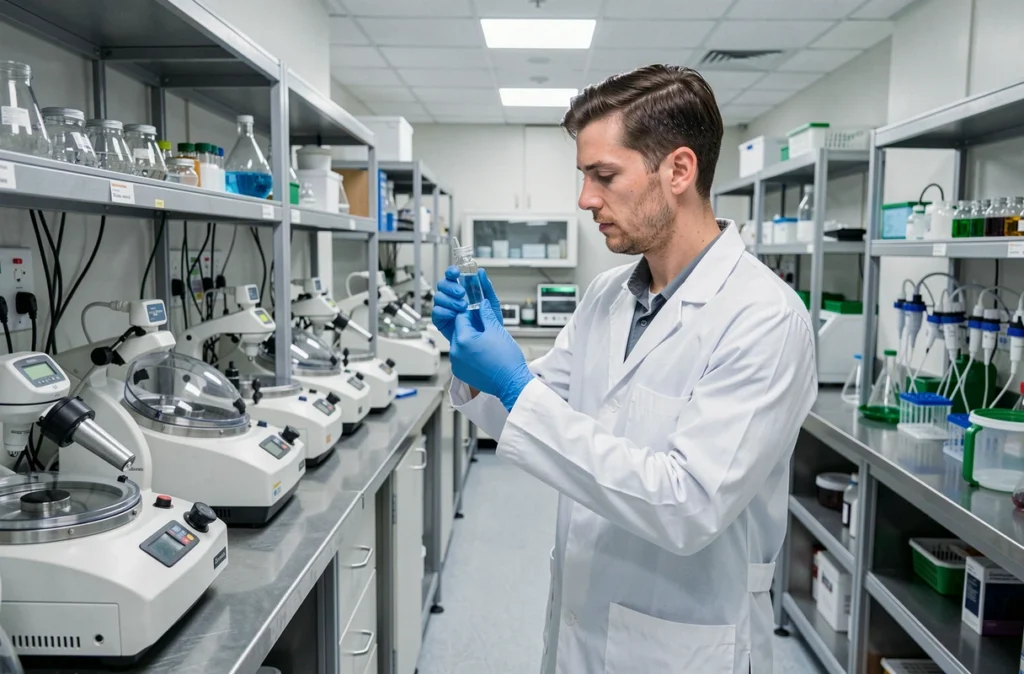
Artificial intelligence in healthcare has reached a new threshold over the past two years. Use cases are no longer confined to academic research or demonstrations. In France, dedicated calls for AI in healthcare projects are being launched by organisations such as Station e-Santé, which supports the transition of digital solutions into real-world clinical settings.
AI is delivering tangible results in a few specific areas:
- Diagnostic support in medical imaging, where detection algorithms achieve performance levels comparable to specialists for certain targeted conditions.
- AI-assisted clinical report writing, which reduces practitioners’ administrative workload and frees up time for consultations.
- Drug discovery optimisation, where predictive models speed up screening in pharmacology.
AI in healthcare is moving from demonstration projects to tools integrated into everyday practice. This shift in scale raises a less publicised issue: maintaining and updating models after deployment. An algorithm trained on 2023 data may become less relevant if clinical protocols evolve, the patient population changes or imaging equipment is replaced.
Ongoing performance validation—not just initial validation before market launch—is becoming a technical challenge that neither CE marking nor current certifications fully address.
Connected healthcare at home: the shift to continuous monitoring
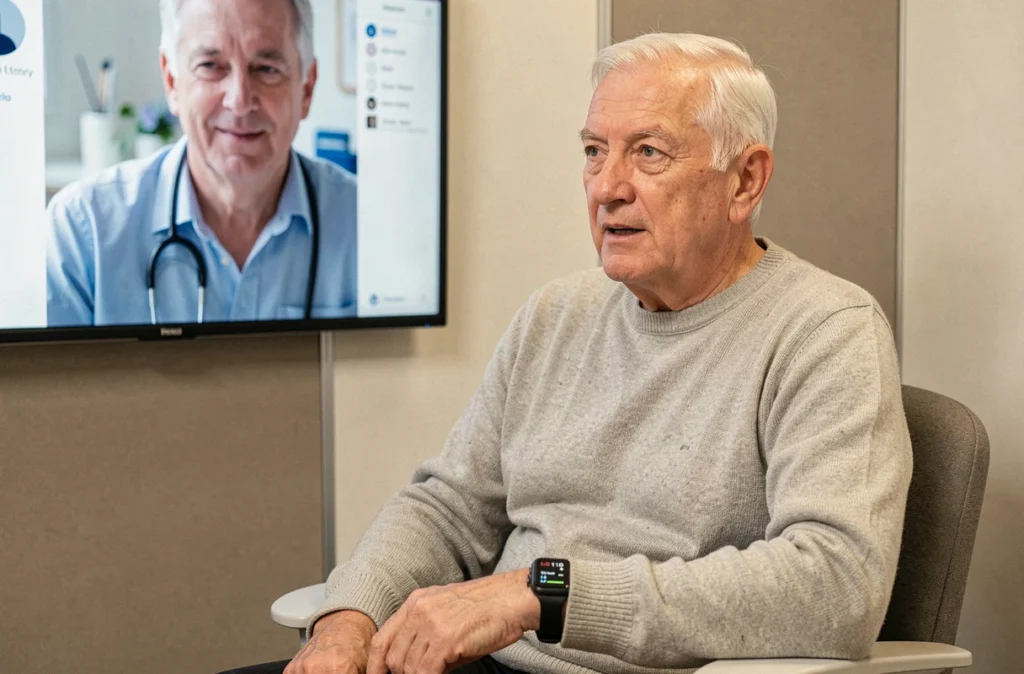
The home connected healthcare market has changed. Devices are no longer sold as standalone tools purchased at a pharmacy. They are now integrated into comprehensive programmes combining sensors, data collection platforms and remote clinical monitoring.
Sleep and diabetes are among the most established use cases. Remote ECG monitoring and tracking treatment adherence are developing segments. This reflects a structural shift, driven by the growing integration of these devices into coordinated care pathways.
This evolution is changing the relationship between patients and the healthcare system. Monitoring is no longer centred on occasional appointments several weeks apart, but on a continuous stream of physiological data analysed in near real time. For healthcare professionals, this calls for new protocols for reviewing data and prioritising alerts.
Known limitations of connected care
The growing use of these devices faces several recognised obstacles. Interoperability between platforms remains limited: a patient’s glucose sensor and connected blood pressure monitor often feed into separate apps, with no unified summary available to their GP.
The lack of interoperability standards hinders the clinical use of data collected at home. In addition, reimbursement by the French national health insurance system will determine whether these solutions are adopted at scale. Devices included in remote monitoring programmes have an established framework, but many consumer-grade sensors remain outside reimbursed care pathways.
Experimentation and the French regulatory framework: Article 51 schemes
Alongside European developments, France has its own dedicated experimental schemes. The so-called “Article 51” programmes allow innovative care models to be tested with exemptions from standard pricing or organisational rules before they are potentially rolled out more widely. Several of these experiments focus on remote monitoring, home-based care or the use of digital tools in patient pathways.
These schemes act as a filter, helping distinguish innovations that work in real-world conditions from those that fail to scale. Structured experimentation remains France’s main lever for validating digital health innovations before they are incorporated into standard healthcare provision.
The regulatory framework is also evolving in the area of data hosting. HDS certification (health data hosting) sets security requirements for organisations that store or process patient data—a technical prerequisite for the viability of any connected healthcare or clinical AI solution.
Current healthcare trends are converging on a single point: medical technology is no longer judged by its initial promise, but by its ability to fit within a constrained clinical, regulatory and economic environment. The coming years will be less about invention and more about structured adoption.