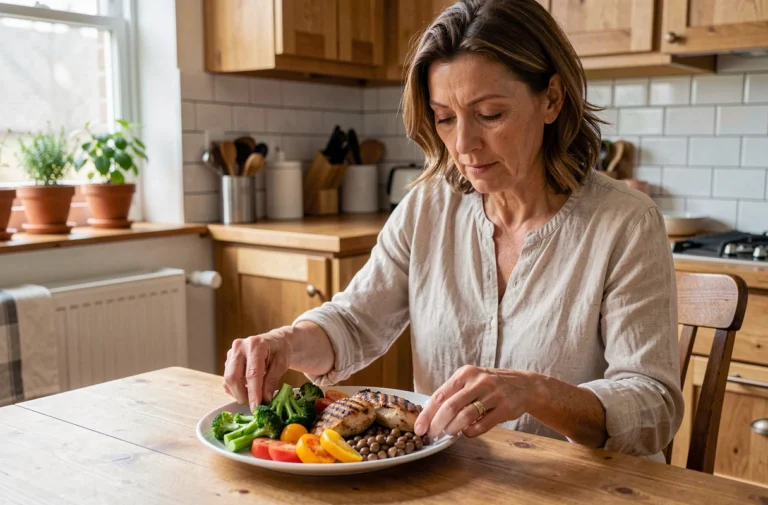
Natural health applied to seniors is based on a simple principle: maintaining the body’s functional capacities through non-drug practices, in addition to traditional medical follow-up. Targeted nutrition, adapted physical activity, sleep management, and the reasoned use of plants are the pillars of this approach. Their effectiveness depends on a factor often overlooked: the consideration of polypharmacy, which affects a significant portion of people over 65.
Polypharmacy and dietary supplements: the interaction risk that seniors underestimate
Before adding a dietary supplement or herbal tea to their routine, a review of ongoing treatments is the first step. Seniors who take multiple medications expose themselves to poorly documented interactions when plants or vitamins are added.
St. John’s Wort, for example, alters the effectiveness of many heart medications and anticoagulants. Valerian, prized for sleep, can amplify the effect of certain anxiolytics. Reporting every natural product to one’s doctor or pharmacist remains the basic precaution, even for over-the-counter products.
Recent proposals for aging prevention include medication prescription reviews to reduce risks associated with treatment accumulation. This type of review, mentioned by the Montaigne Institute in its report on health longevity, would benefit from becoming more widespread, especially for seniors who wish to integrate natural approaches into their daily lives.
Specialized resources compile natural practices suitable for older adults: the Art de Guérir website for seniors offers content that combines phytotherapy, nutrition, and age-related precautions.
Physical activity after 65: intensity, regularity, and muscle preservation
Sarcopenia (progressive loss of muscle mass related to age) is one of the major factors of loss of autonomy. Adapted physical activity does not aim for performance, but for the maintenance of strength, balance, and joint flexibility.
Daily walking, even modest in duration, produces measurable effects on cardiovascular health and mobility. Gentle resistance exercises (elastic bands, light weights, stair climbing) specifically target muscle preservation.
Criteria for choosing an appropriate activity
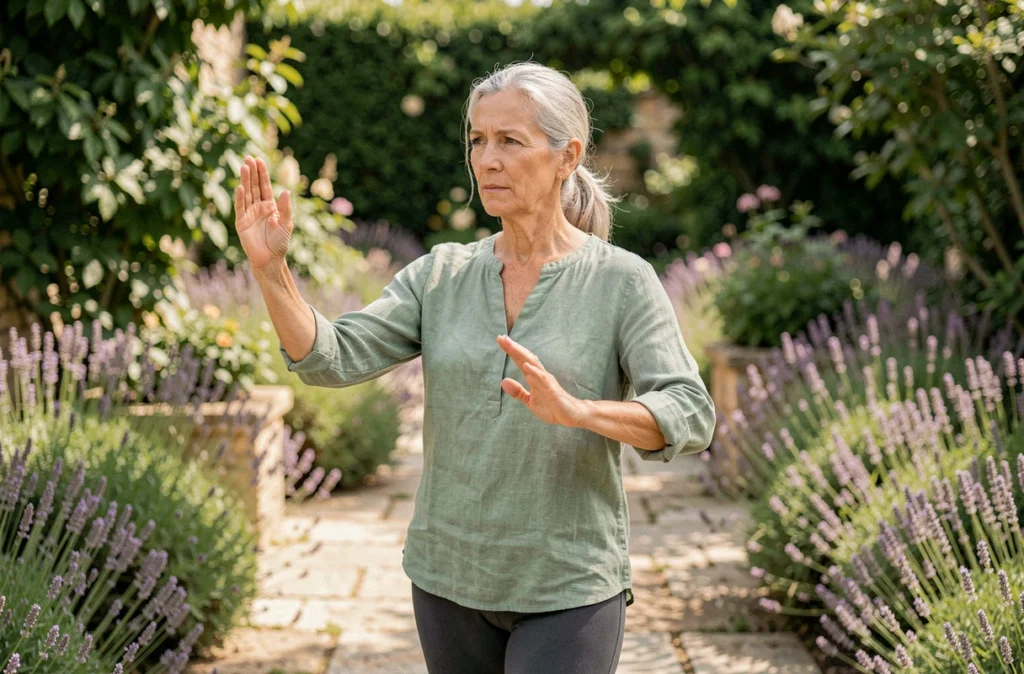
- Prioritize low-impact joint movements: walking, swimming, stationary cycling, tai chi. These disciplines engage muscles without overloading the knees or hips.
- Incorporate at least two weekly sessions of targeted muscle strengthening, even if short, to slow down the loss of muscle fibers.
- Adjust intensity to how one feels that day: regularity matters more than occasional effort. A light session is better than a canceled one.
Improving physical condition after 65 is associated with a lower risk of mortality, according to several recent studies. The benefit does not depend on the starting level: starting late is still useful.
Seniors’ sleep: understanding the disruption before correcting it
Sleep changes with age. The time it takes to fall asleep increases, nighttime awakenings multiply, and deep sleep phases shorten. This phenomenon is physiological, but it becomes problematic when it leads to excessive daytime sleepiness, increasing the risk of falls.
Before resorting to phytotherapy, simple adjustments can yield concrete results:
- Go to bed and wake up at fixed times, even on weekends, to synchronize the biological clock.
- Limit napping to early afternoon and for a short duration, so as not to cut into nighttime sleep.
- Maintain sufficient physical activity during the day to induce natural fatigue at bedtime.
Valerian, used since antiquity for its sedative properties, is among the most studied plants for sleep. Its use remains relevant for seniors, provided that interactions with ongoing treatments are checked.
Nutrition and micronutrients: common deficiencies after 60
The absorption of nutrients decreases with age, while the need for certain micronutrients increases. Vitamin D, calcium, and protein are among the most frequently insufficient intakes in seniors.
Vitamin D plays a direct role in bone strength and immune function. Moderate sun exposure and the consumption of fatty fish help maintain adequate levels, but a blood test can verify if supplementation is necessary.
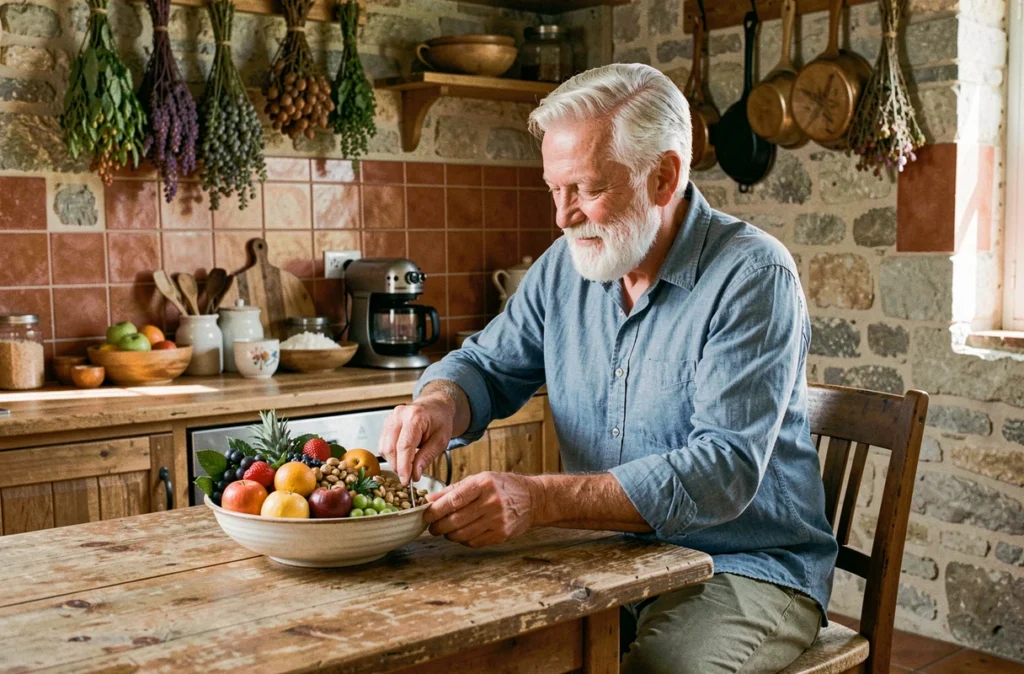
Proteins deserve special attention. Consuming eggs, fish, legumes, or dairy products at each meal helps combat muscle loss. Nutrient-dense foods take precedence over foods rich in empty calories: a handful of nuts or seeds provides more than a serving of sweet biscuits.
The sensation of thirst decreases with age. Drinking regularly (water, herbal teas, soups) without waiting to feel thirsty prevents dehydration, a frequent source of fatigue and confusion in older adults.
Identifying frailty: a prevention tool still little known
The Montaigne Institute, in its September 2026 report on health longevity, identifies early detection of frailty as a structuring direction for prevention policies. Frailty refers to an intermediate state between complete autonomy and dependence, often reversible when detected early.
This assessment is based on simple criteria: unintentional weight loss, perceived fatigue, decreased grip strength, slowed walking. A senior identified as frail can benefit from a targeted program combining physical activity, nutritional adjustments, and review of medication treatments.
This preventive aspect complements natural approaches: phytotherapy and nutrition act on daily comfort, but identifying frailty allows for intervention before loss of autonomy sets in. Combining both approaches gives seniors concrete means to preserve their vitality over time.