In the studio, a multitude of specialized equipment is used to create optimal lighting and shooting conditions. This equipment is essential for ensuring high-quality photographic results by allowing control over various technical and artistic aspects of photography. From the choice of light sources to the use of supports and accessories, each element plays a crucial role in achieving the perfect image. Here is a detailed list of the basic equipment that can be found in a photography studio, each contributing its unique part to the creation of exceptional images:
- Studio Lighting:
– Studio flashes: These units produce powerful bursts of light and can be controlled to adjust the intensity and duration of the flash.
– Continuous lights: These lights remain on continuously and allow for real-time visualization of the lighting. They are often used for video or for photography in constant light.
– Reflectors and diffusers: They are used to modify the quality and direction of light by reflecting, diffusing, or softening the light from the main sources.
- Lighting Accessories:
– Softboxes: These boxes equipped with diffusing fabric create soft and even light, ideal for portraits and still lifes.
– Umbrellas: They are used to diffuse light and create softer, more diffused lighting.
– Snoots, honeycombs, and grids: These accessories control the direction and concentration of light for more precise lighting effects.
- Supports and Tripods:
– Lighting tripods: They support flashes and continuous lights, allowing them to be positioned at the desired height and angle.
– Background support: Used to hang canvas, paper, or fabric backgrounds to create varied backdrops.
– Reflector stands: They hold reflectors in place to direct light where you need it.
- Backgrounds and Accessories:
– Canvas backdrop: Available in a variety of colors, canvas backdrops are used as backgrounds for portraits and product photos.
– Paper backdrop: They provide a smooth and even surface for studio photos and are available in a wide range of colors and textures.
- Shooting Accessories:
– Remote triggers: They allow you to trigger the camera remotely, useful for self-portraits or group photos.
– Reflectors: They bounce light to illuminate shadowed areas and soften contrasts.
- Other Accessories:
– Light box: It creates soft and even light by diffusing light through a translucent fabric.
– Background screen: Used to create special lighting effects by placing an opaque screen between the light and the subject.
In addition to this basic equipment, studios may also be equipped with photo editing software, shooting tables, additional reflectors, green screens for chroma keying, as well as other specific accessories depending on the needs of the professional photographer and the type of photo shoot.
What are the sets in Photography
To succeed in photography, it is important to choose the right equipment based on your needs, shooting style, and budget. Here are some of the basic equipment you should consider:
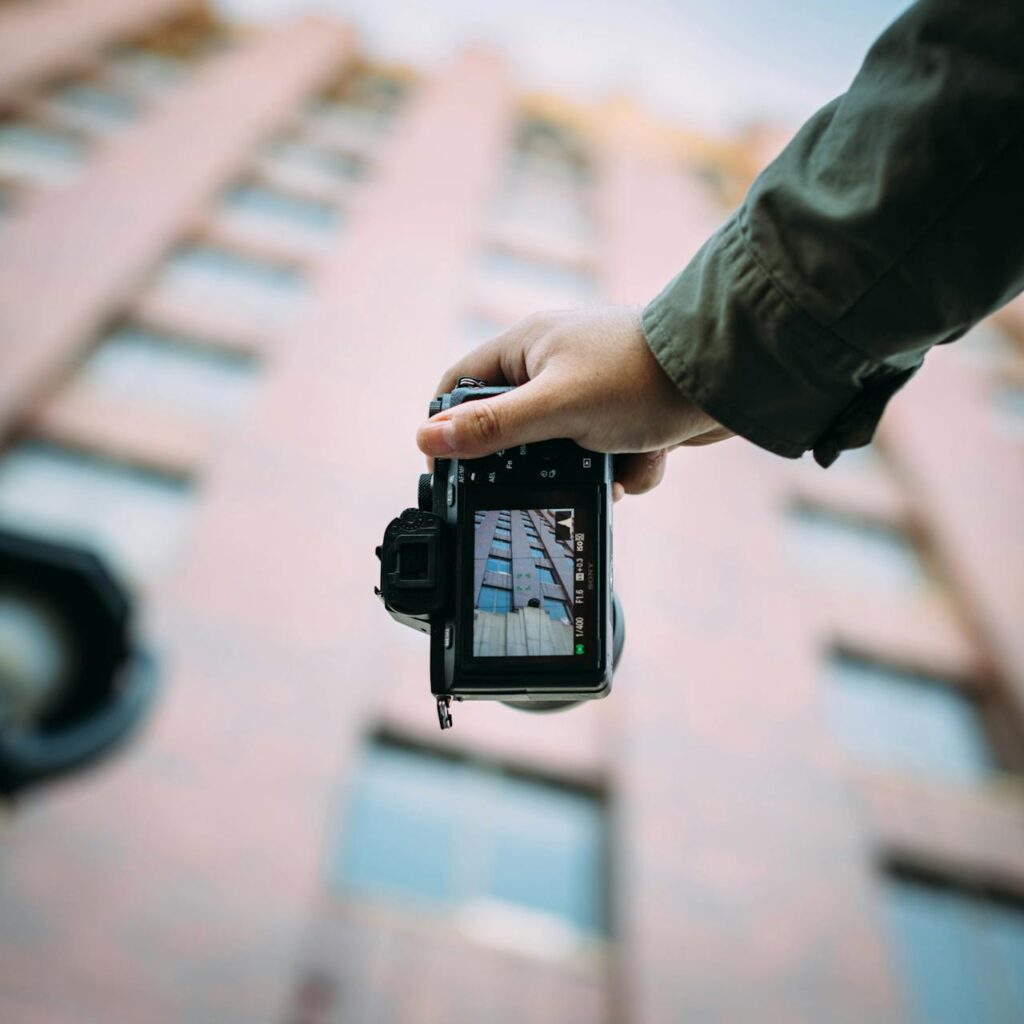
- Camera: The choice of camera will depend on your personal preferences, budget, and specific needs. Digital single-lens reflex (DSLR) cameras offer great flexibility and exceptional image quality, while mirrorless cameras are more compact and lightweight, perfect for travel photography. High-end smartphones also offer increasingly advanced photographic capabilities.
- Lenses: Lenses are essential for achieving different effects and perspectives in your photos. A versatile lens like a standard zoom lens is ideal for starting out, but you can also invest in specific lenses such as wide-angle lenses, macro lenses for close-up photography, or prime lenses for more artistic portraits.
- Tripod: A tripod is essential for stabilizing your camera and avoiding motion blur, especially in low-light conditions or for long exposure shots. Choose a sturdy yet lightweight tripod for easy use on location.
- Lighting Accessories: Depending on your needs, you can invest in lighting accessories such as external flashes, LED lights, or reflectors to control light and create creative lighting effects in your photos.
- Memory Cards: Make sure you have enough memory cards to store all your photos. Opt for high-capacity and high-speed cards for optimal performance.
- Camera Bag: A quality camera bag is essential for safely transporting your equipment when you’re on the go. Look for a bag that offers sufficient padding, weather protection, and well-organized compartments for your camera, lenses, and accessories.
In addition to this basic equipment, you may also consider investing in other accessories such as filters, remote triggers, extra batteries, additional memory cards, and photo editing software to enhance and edit your images. The important thing is to choose equipment that meets your specific needs and allows you to realize your creative vision as a photographer.