Living well in retirement and staying active is not just about filling an agenda. The real challenge is measured through three dimensions rarely intersected in the same article: the available budget, the type of activity chosen, and its concrete impact on health. These three variables determine the quality of life after the end of a career, and their interactions deserve careful examination.
Retirement budget and ability to stay active: what recent data reveals
Content about activities in retirement rarely mentions the actual cost of an active life. The Barometer Retraite.com / Silver Alliance 2025 highlights a striking fact: aging well at home can require up to 3,205 euros per month after age 85, when considering housing adaptations, home care, leisure, and outings.
This budget pressure directly impacts retirees’ ability to finance classes, clubs, travel, or sports subscriptions. Before choosing an activity, one must first assess the portion of the monthly budget actually available for leisure and social life.
| Expense Item | Impact on Active Life |
|---|---|
| Housing Adaptation | Maintaining autonomy, a prerequisite for outings |
| Home Aids and Services | Frees up time and energy for activities |
| Leisure (classes, sports, culture) | Physical, cognitive, and social stimulation |
| Transport and Travel | Access to clubs, workshops, and associations |
This table illustrates a often overlooked point: health and housing expenses condition access to activities. A retiree whose budget is consumed by adapting their home has less leeway to enroll in workshops or travel.
Platforms like cercle-des-seniors.fr help identify activities suitable for different budget profiles, facilitating connections between retirees and local organizations.
Senior Physical Activity: Effectiveness Gaps by Type of Practice
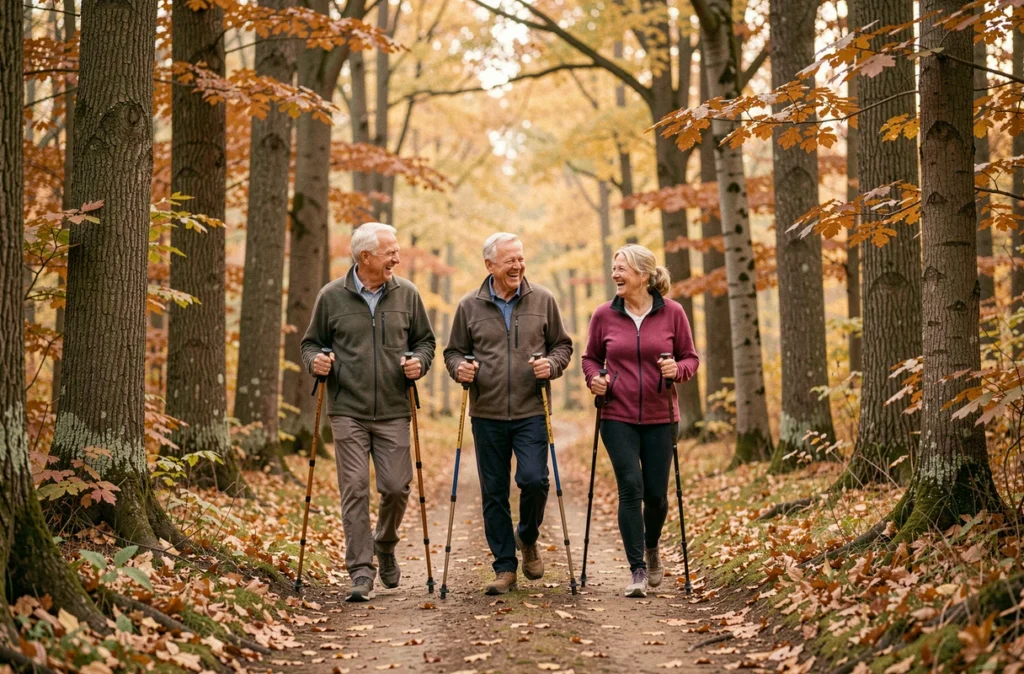
Not all sports provide the same benefits after age 60. Walking, often recommended by default, has a major advantage: it costs nothing and requires no equipment. However, activities combining physical effort and social interaction generate a dual benefit for health and morale.
Water aerobics practiced in a group, for example, engages the joints without impact while creating a regular collective meeting. Senior-adapted yoga works on balance, a key factor in preventing falls, the leading cause of loss of autonomy.
Three Criteria for Choosing a Sustainable Physical Activity
- Possible Regularity: An activity practiced twice a week is better than an intensive sport abandoned after a month. Prioritizing slots close to home reduces logistical friction.
- Progressive Adaptation: Gentle gym or cycling allows for intensity modulation without risk. Supervision by a professional trained in senior care prevents injuries.
- The Social Component: Group classes, hiking clubs, or local sports associations turn exercise into a bonding moment, which increases motivation over time.
Practicing in a group increases regularity and reduces the risk of dropout. Non-profit organizations often offer rates adapted for retirees, which alleviates the budget constraint identified earlier.
Shared Housing and Intergenerational Cohabitation: An Underestimated Lever
The CNSA (National Solidarity Fund for Autonomy) records nearly 275,000 people living in shared housing in France, including about 13,000 in intergenerational residences. This lifestyle remains marginal in retirement articles, even though it simultaneously addresses two issues: isolation and housing costs.
The principle is simple: a retiree shares their home with a student or a young professional in exchange for companionship, minor services, or modest financial contribution. This arrangement, encouraged by public authorities, creates a naturally active living environment.
What Shared Housing Changes Concretely
Intergenerational cohabitation is not limited to companionship. It structures daily life: shared meals, skill exchanges (digital skills for cooking, for example), and joint outings. For an isolated retiree, this regular presence reestablishes a social rhythm without requiring club membership.
The Part’Age project in Saint-Michel-sur-Ternoise illustrates this dynamic. Local initiatives of this type are multiplying, supported by associations or local authorities that facilitate intergenerational connections.
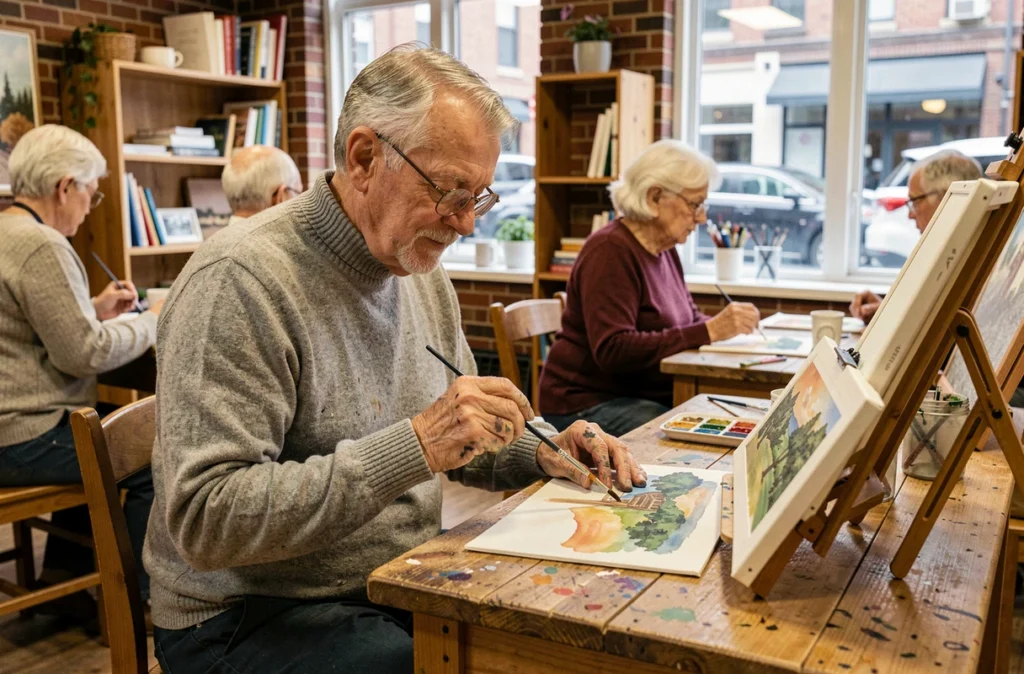
Cognitive Stimulation and Learning: What Works Beyond Crossword Puzzles
Learning a language, taking photography classes, getting familiar with digital tools: these activities engage different brain areas than those stimulated by traditional memory games. The diversity of learning matters more than its intensity.
The Universities of Free Time, present in most medium-sized cities, offer structured workshops at accessible rates. Regularly learning a new skill stimulates brain plasticity, regardless of the starting age.
- Language classes in small groups combine cognitive effort and social interaction, two protective factors against decline.
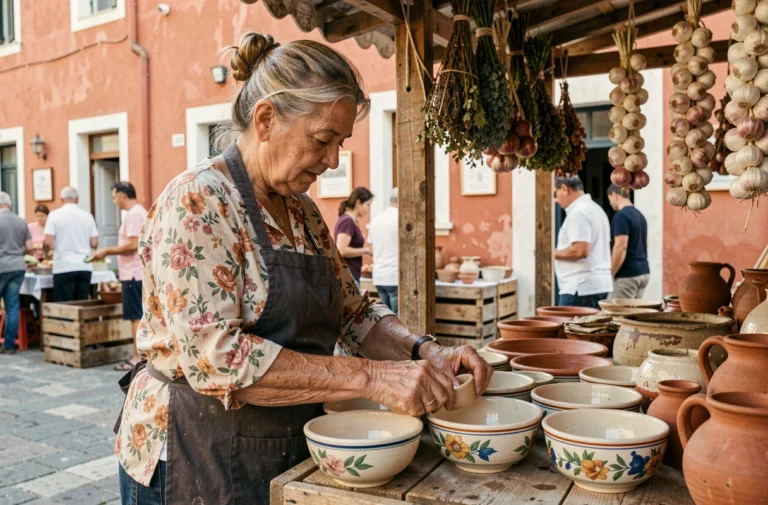
- Creative workshops (painting, pottery, writing) provide tangible output, enhancing the sense of accomplishment.
- Introduction to digital tools, beyond practical utility, opens access to online communities and unlimited cultural resources.
The Silver Geek program, supported by European funds, uses video games as a means of social connection and cognitive stimulation among seniors. This type of unconventional approach shows that the most effective activity is the one that sparks curiosity, not necessarily the one that tops generic recommendations.
The cost, type of practice, living environment, and nature of learning form a system. Changing any one of these variables alters the overall balance. A retiree who optimizes their housing budget through shared living frees up resources for classes or travel. Another who chooses a collective physical activity simultaneously reduces the risk of isolation and sedentary behavior. An active retirement is built through these concrete trade-offs, not by ticking off a list of activities.