The current world is one of the emergence of social networks where everyone wants to showcase their best photos. However, to succeed in taking beautiful images, it is not enough to just stand in front of a lens. Indeed, you need to use tips to highlight yourself and feel comfortable.
If you want to take beautiful shots, then follow us to discover our tips.
Choose the right angle
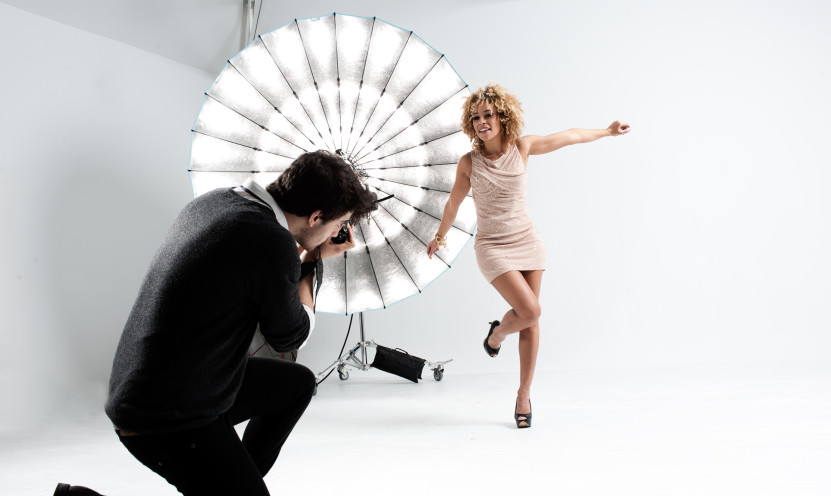
When it comes to photography, the choice of angle is an important factor for capturing beautiful shots. Indeed, certain angles highlight your best profile while others can diminish you completely. Thus, you should follow the tips for adopting the right pose during a women’s photo shoot. To choose the angle, several factors must be considered. This includes the positioning of your gaze, which should be directed straight. This position allows the photographer to have multiple options. When it comes to a portrait, the angle to avoid is that of the low angle. This angle highlights certain features of your face such as dark circles and chin. It also accentuates your nose. Don’t hesitate to choose a full-body shot for a flattering portrait.
Moreover, when the photographer decides to take a photo from above or a high-angle shot, it is recommended to opt for a framing at the bust level.
Choose the light wisely
Light is an essential element for a successful photo shoot. Thus, you can choose between sunlight or the flash of a camera. It is important to specify that the flash is a rather difficult element to master. Moreover, its effect on photos is not often very pleasant. Additionally, sunlight and flash tend to glare and cast shadows on the model’s face.
For a successful photo session, opt for soft and even lighting. You can advise the photographer to position themselves between you and the main light source. This position helps to soften the effect of the sun or the light projector.
Furthermore, you can choose to take your photos outdoors when clouds are present. They can act as a diffuser.
Choosing the shade is also an acceptable option. The main thing is to avoid direct sunlight as much as possible.
Relax
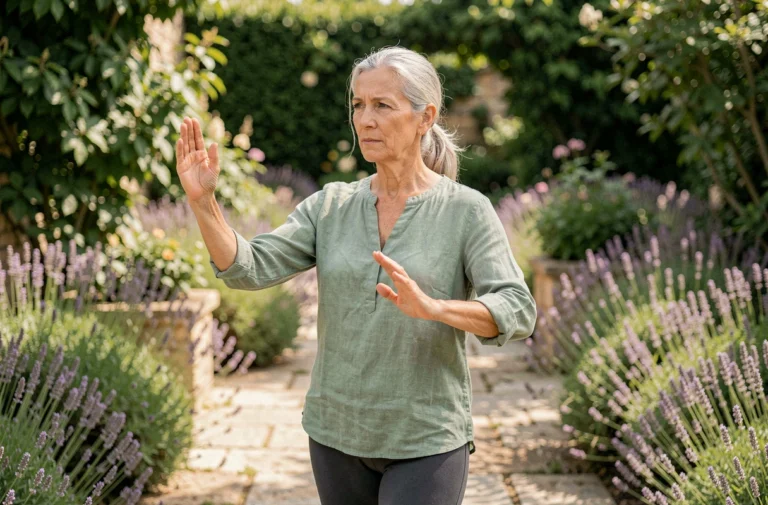
To have beautiful images, it is essential to relax. Indeed, a photo can show your state of mind at the time of the shoot. Thus, when you are tense or uncomfortable, it shows in the photo. You should adopt a posture or attitude that resembles you and in which you feel at ease. Favor natural and innate postures. Do not try to imitate someone who does not resemble you. When you are relaxed, your smile is beautiful and natural, which allows for a good rendering in the photo.
Moreover, if you are intimidated by the gaze of others, you can choose quiet and calm places to take beautiful photos.
Care for composition and post-production
Beyond pose and light, the success of a portrait relies on thoughtful composition and a background choice that enhances the subject. Think about utilizing the rule of thirds, leading lines, and negative space to guide the eye: a door, a hedge, or architecture can become natural frames. Playing with depth of field using a wide aperture allows for a bokeh effect that separates the model from the background; the selection of focal length and lens also influences perspective and compression of features. Don’t hesitate to incorporate textures (raw wall, vegetation, fabrics) and color contrasts to create visual relief without overloading the image. Dynamic poses — a slight head movement, a step forward — add naturalness and facilitate the capture of authentic expressions.
After shooting, measured retouching can enhance the final result: adjusting the white balance, correcting exposure via the histogram, refining sharpness, and locally adjusting highlights and shadows to preserve grain. Managing contrast and saturation helps establish a coherent mood, while final cropping improves composition without distorting the image. To progress, experiment with non-destructive workflows and grading variations to keep usable source files. For additional resources on photographic technique and practical examples, check out Petit Escargot: The Photo Guide, which offers tips on shooting, retouching, and organizing your visuals.