
Not all sports exert the same demands on the body, and water profoundly alters the mechanical stresses experienced by the joints, muscles, and cardiovascular system. Measuring these differences between water activities allows for the selection of a practice suited to a specific goal: joint recovery, energy expenditure, mental balance.
Joint Stress and Energy Expenditure: Water Sports Compared to Land Sports
Immersion reduces the apparent weight of the body. This physical property radically changes the joint stress profile compared to running or gym fitness. Swimming, kayaking, stand-up paddleboarding, and sailing share this trait, but their muscular and cardiac demands diverge.
| Criterion | Swimming (freestyle) | Sea kayaking | Stand-up paddleboarding | Running |
|---|---|---|---|---|
| Joint impact | Almost none | Very low | Low | High |
| Main muscle groups | Shoulders, back, legs | Back, arms, core | Core, legs, shoulders | Legs, glutes |
| Cardiovascular demand | High | Moderate to high | Moderate | High |
| Muskuloskeletal injury risk | Low (shoulder to monitor) | Low | Low | Frequent (knees, ankles) |
The highlight of this table: water sports combine cardiovascular work and joint protection, which running cannot offer. For individuals suffering from osteoarthritis, regular swimming relieves the joints while maintaining mobility, a benefit documented in rheumatology.
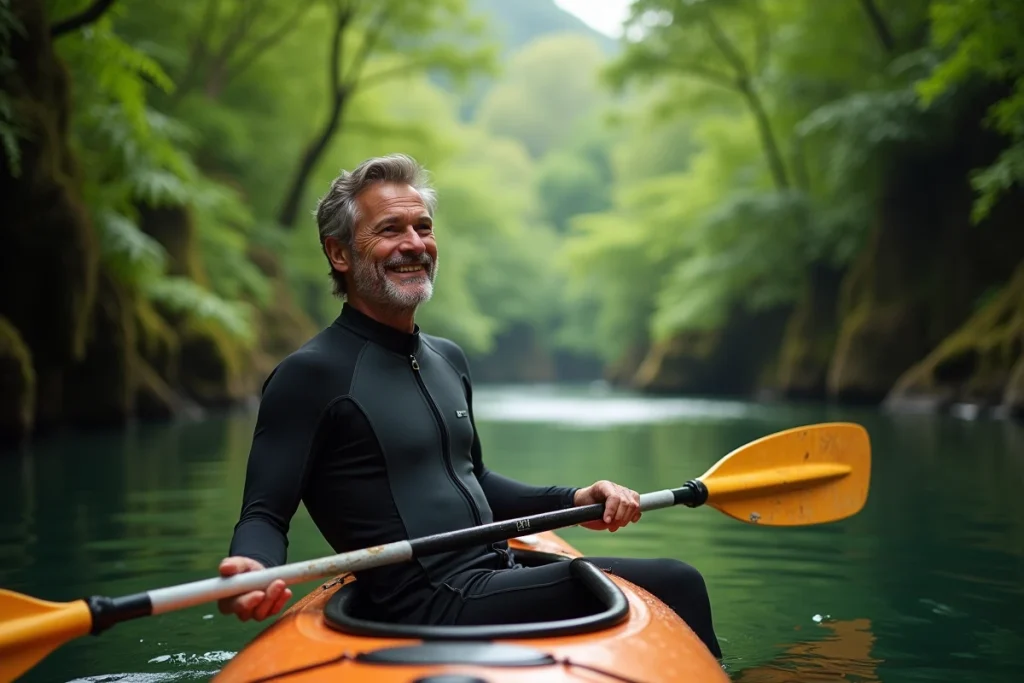
Paddle sports enthusiasts (kayaking, paddleboarding) find a continuous core workout that few land activities replicate without additional load. Equipment and disciplines related to water sports are presented on https://h2osport.fr/, which brings together several families of aquatic practices.
Blue Spaces and Mental Health: What Recent Studies Show
Competitors mention stress reduction as a generic benefit. Research published in recent years on blue spaces (natural aquatic environments) provides more precise insights.
Programs of surf therapy used in clinical settings show improvements in well-being and feelings of social connection among participants. These results go beyond mere leisure effects: they position certain water activities as non-pharmacological interventions for anxiety and depression.
Identified Mechanisms
Three factors combine in water activities in natural settings:
- Sensory exposure to water (sound, temperature, reflected light) activates parasympathetic responses that reduce cortisol levels
- Outdoor physical effort amplifies endorphin secretion compared to the same effort indoors, according to several comparative protocols
- The social dimension of collective water sports (sailing, group kayaking, surfing) enhances the sense of belonging, a recognized protective factor against isolation
Swimming in a pool retains some of these benefits, particularly the enveloping effect of water on a body in a state of alertness. Hydrostatic pressure slows the heart rate and promotes a state of deep relaxation, even during sustained effort.
Water Activities Tailored to Health Goals
Choosing a water sport without knowing its constraint profile is akin to choosing randomly. Here are three concrete cases where the choice of discipline changes the outcome.
Post-Injury or Osteoarthritis Recovery
Aquagym and water walking engage the muscles without overloading the joints. The resistance of water forces the body to work continuously, but without ground impact. Water walking programs are now prescribed in certain care pathways, positioning this activity as a true therapeutic tool.
Weight Loss and Endurance
Freestyle swimming or complete strokes remains the most demanding discipline in terms of caloric expenditure among water sports. In contrast, paddleboarding and kayaking offer moderate but prolonged expenditure, suitable for those seeking an endurance activity without sudden breathlessness.
Mental Balance and Stress Management
Surfing and sailing require total concentration on the immediate environment, which interrupts mental rumination. This mechanism, akin to mindfulness, explains why these practices are included in structured mental health protocols.
Regular Swimming: Physiological Data to Know
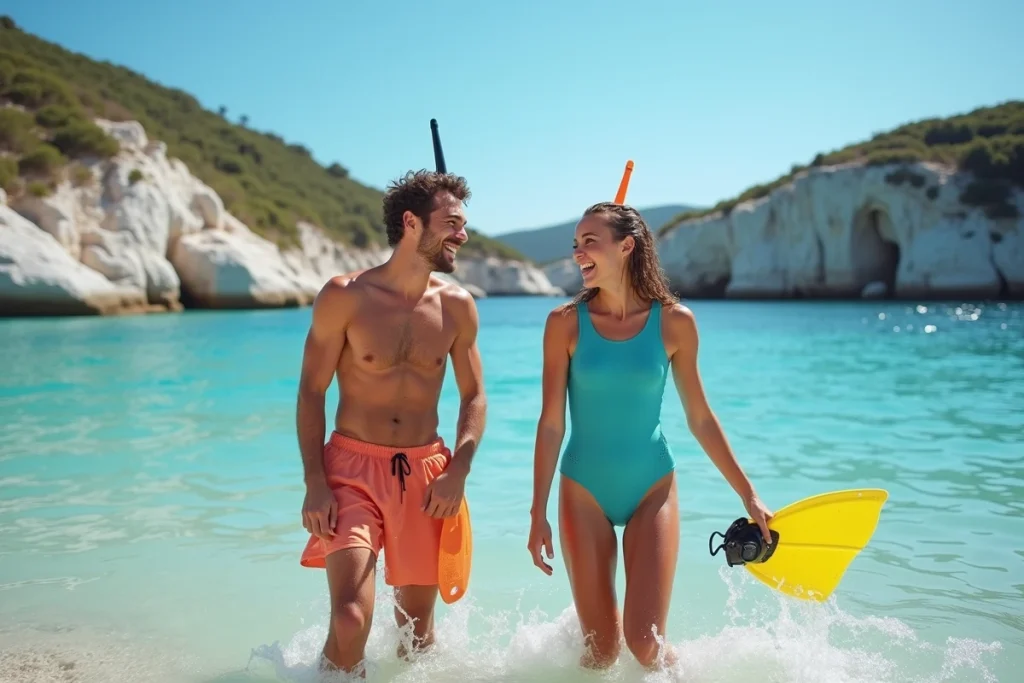
Among all water activities, regular swimming in a pool remains the most studied. Several points deserve the attention of those considering a sustainable practice.
Swimming engages nearly all muscle groups during a complete session alternating strokes. Freestyle and breaststroke target complementary muscle chains: lats and trapezius for the former, adductors and pectorals for the latter.
From a respiratory standpoint, the constraint imposed by immersion (exhaling in water, controlled inhalation) improves lung capacity in the medium term. This benefit is particularly documented among regular practitioners, with a frequency of at least two sessions per week.
- Freestyle primarily develops the shoulders and lateral core
- Breaststroke strengthens the adductors and lower back but can exacerbate certain knee pains if the technique is incorrect
- Backstroke is the most protective for the spine, often recommended in rehabilitation
- Butterfly, very demanding, is reserved for experienced swimmers and intensely engages the posterior chain
In older women, regular participation in water activities could have underestimated benefits on maintaining bone density and functional autonomy, a research focus recently highlighted by Science et Vie.
The choice of a water sport depends less on a universal ranking than on a measurable personal goal: joint mobility, cardiorespiratory capacity, anxiety management. Cross-referencing the type of physical demand with the context of practice (sea, pool, lake) remains the most reliable method for deriving lasting benefits.